

Table of Contents
- What You'll Need Before You Start
- Step 1: Check for Fuel System Problems
- Step 2: Diagnose Stihl Chainsaw Flooding Symptoms
- Step 3: Test the Spark Plug and Ignition System
- Step 4: How to Clean Stihl Chainsaw Carburetor
- Step 5: Verify Air Filter and Compression
- Common Mistakes to Avoid
- Post-Repair Testing and Prevention
- Frequently Asked Questions
Last Updated: September 25, 2026
What You'll Need Before You Start
Before troubleshooting a chainsaw won't start issue, gather a spark plug socket, multimeter, fresh fuel, basic hand tools, a clean rag, and safety glasses.

Two-cycle engines demand a precise oil-to-gas ratio. Using old fuel or the wrong blend prevents starting. Keep fresh fuel on hand; fuel older than 30 days begins breaking down.
Step 1: Check for Fuel System Problems
The fuel system is where most chainsaw won't start problems begin. According to research from Rotatech Products analysis of common chainsaw failures, approximately 40% of no-start issues trace back to fuel problems, stale gas, contaminated fuel, or incorrect mixture ratios.
Inspect your fuel first. Two-cycle engines need precise ratios, typically 50:1 or 40:1. Using the wrong ratio starves the engine or floods it with oil.
Inspect Fuel Quality and Age
Old fuel is your enemy. Gasoline degrades quickly when mixed with oil. After 30 days, fuel begins separating and losing combustibility.
Drain the old fuel completely using a fuel siphon or by tipping the tank into a safe container.
Check fuel color: clear or light yellow is good; dark brown or murky needs replacing. Stale fuel smells sour or varnished.
Examine Fuel Lines and Filter
Cracked or clogged fuel lines block gas from reaching the carburetor. Inspect for splits, cracks, or brittleness; rubber lines degrade in sun and heat.
The fuel filter catches debris before it reaches the carburetor. A dirty or clogged filter starves your engine. Replace it if you see discoloration or blockage. Over The Hill Tractor carries Rotary fuel filters compatible with Stihl chainsaws that fit most models at $4.99, a cheap fix that often solves starting problems instantly.
Check the impulse line, this small tube sends pressure pulses from the crankcase to the carburetor diaphragm. A cracked impulse line causes carburetor failure.
Step 2: Diagnose Stihl Chainsaw Flooding Symptoms
A flooded engine is drowned in fuel. The spark plug is wet, fuel fills the cylinder, and you'll smell raw gasoline strongly.
Flooding occurs when the carburetor diaphragm fails, you pull the starter rope excessively, or fuel leaks through a damaged crankcase seal. The fix depends on whether your Stihl uses a traditional carburetor or M-Tronic electronic fuel management.
Traditional Carburetor Models (Most Older Stihl Chainsaws)
In traditional models, flooding occurs when the carburetor diaphragm ruptures or the needle valve sticks open. The diaphragm, a thin rubber membrane, receives pressure pulses from the crankcase to regulate fuel flow. When it fails, fuel delivery becomes uncontrolled.
To clear a flooded traditional carburetor engine, remove the spark plug, pull the starter rope 10-15 times to expel excess fuel, let it rest, then reinstall the spark plug and try starting.
If flooding persists, replace the carburetor diaphragm using a quality carburetor kit.

M-Tronic Electronic Fuel Injection Models (Newer Stihl Chainsaws)
Newer Stihl models with M-Tronic technology use an electronic control unit (ECU) and fuel pump to manage mixture automatically. They rarely flood traditionally but can exhibit flooding-like symptoms if the fuel pump fails, the ECU malfunctions, or the injector sticks.
In M-Tronic systems, "flooding" means the fuel pump runs continuously or the injector stays open, spraying raw fuel. The engine cranks but won't ignite because the mixture is too rich.
Check the fuel pump relay and ECU. If the pump runs when the engine is off, the relay is stuck. If it doesn't run, check the fuel pump fuse (typically 15 amps) and electrical connector.
How to Clear Either Type
Remove the spark plug. If fuel is pooled in the cylinder, absorb it with a clean rag. Pull the starter rope 10-15 times slowly to expel fuel vapor, reinstall the spark plug, and attempt a cold start with the choke fully engaged.
Prevention
Flooding is often caused by leaving the chainsaw unused with fuel in the tank. Before seasonal storage, run the engine until the fuel tank is nearly empty, or add fuel stabilizer (such as Sta-Bil or Ethanol Shield). Store indoors in a cool, dry place.
Step 3: Test the Spark Plug and Ignition System
No spark means no start. The spark plug must fire consistently and the ignition coil must send voltage to it.

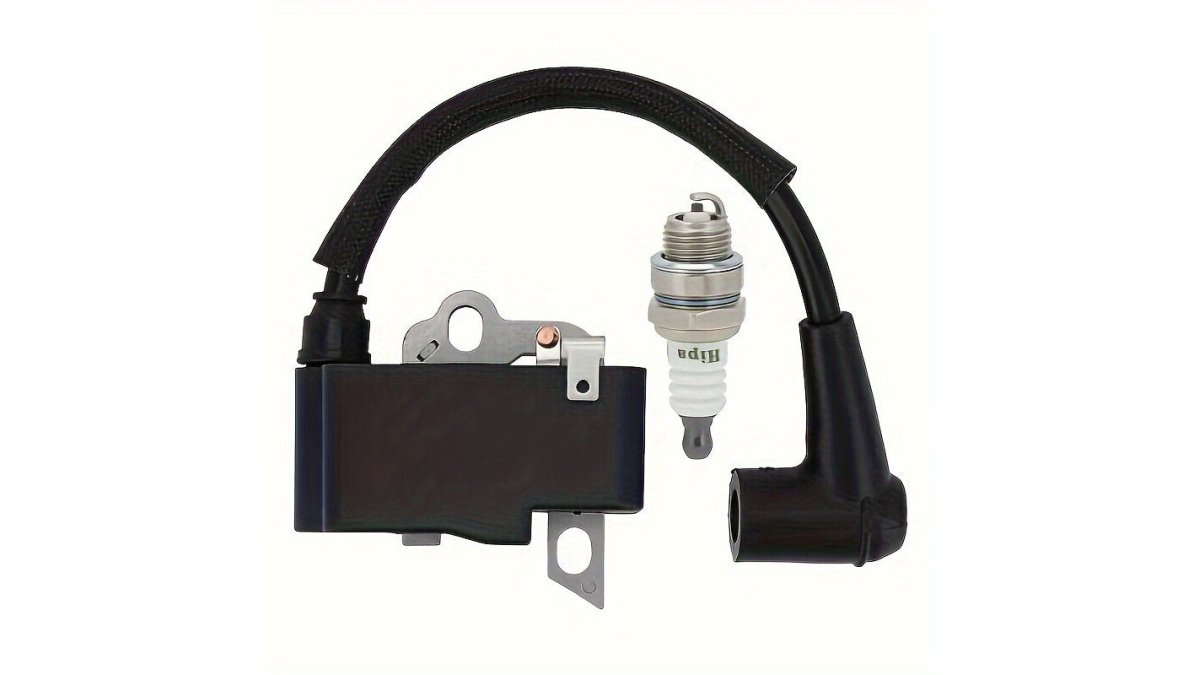
Remove the spark plug using a spark plug socket. Inspect the electrode gap (space between center and side electrodes). The gap should match your model's specification, usually 0.020-0.030 inches.
Check spark plug condition. Black, sooty plugs indicate a rich mixture; white, burned plugs suggest a lean mixture. Replace either type.
Stihl Chainsaw Spark Plug Replacement Procedure
Remove the old plug by twisting counterclockwise. Install the new plug by hand first, then tighten with the socket wrench. Don't overtighten.
Step 4: How to Clean Stihl Chainsaw Carburetor
The carburetor mixes fuel and air in the right proportion. When dirty, it can't deliver fuel properly. Cleaning it often fixes persistent starting problems.
Remove the carburetor from the engine by unscrewing fuel lines and bolts. Take photos before disassembly to remember connections.
Disassemble the carburetor carefully. Remove the bowl, diaphragm, and needle valve. Soak metal parts in carburetor cleaner for 15-20 minutes, scrub with a small brush, and blow out passages with compressed air.
Reassemble using new gaskets from a carburetor kit.
Reinstall the carburetor on the engine and reconnect fuel lines carefully. Prime the fuel system by pressing the primer bulb 10-15 times before starting.
Step 5: Verify Air Filter and Compression
A clogged air filter restricts oxygen flow and causes the engine to run rich and foul spark plugs. Remove and inspect the air filter; replace if black or clogged with dust.
Compression is the engine's ability to squeeze fuel and air in the cylinder. Test with a compression gauge screwed into the spark plug hole.
Low compression indicates internal damage.
Check the decompression valve if your model has one. If stuck open, compression stays low. Tap it gently with a small hammer to free it.
Common Mistakes to Avoid
Always check fuel quality first. Many people waste hours troubleshooting when fresh fuel solves everything.
Never mix fuel ratios by guessing.
Post-Repair Testing and Prevention
After repairs, test your chainsaw safely. A poorly executed test can mask incomplete repairs.
Safe Post-Repair Testing Protocol
Test on a flat, level surface away from people, pets, and flammable materials. Wear safety glasses and long sleeves. Engage the chain brake before starting.
Why Fuel Age Is the #1 Cause of No-Start Issues
Gasoline is not stable. Within 30 days of purchase, fuel begins a chemical breakdown process that makes starting progressively harder.
Seasonal Storage to Prevent Future Problems
Before storing your chainsaw for winter or extended periods, follow this sequence:
-
Run the engine until the fuel tank is nearly empty. This prevents fuel from varnishing inside the carburetor and tank. Aim for the tank to be 90% empty; a small amount of fuel remaining won't cause problems.
-
Add fuel stabilizer to the remaining fuel. Products like Sta-Bil, Ethanol Shield, or Briggs & Stratton Fuel Fit slow the oxidation process significantly. Follow the product label for the correct ratio (typically 1 ounce per 5 gallons). Run the engine for 2-3 minutes to circulate the stabilizer through the carburetor.
-
Drain the spark plug well. Remove the spark plug and pull the starter rope 5-10 times to clear any fuel from the combustion chamber. This prevents fuel from pooling and oxidizing in the cylinder.
-
Store in a cool, dry place. Heat and humidity accelerate fuel breakdown and corrosion. An unheated garage, shed, or basement is ideal. Avoid direct sunlight and damp basements. Cover the chainsaw with a cloth to keep dust out.
-
Check fuel every season before use. Even with stabilizer, fuel degrades over time. If your chainsaw has been stored for 6 months or longer, drain the old fuel and refill with fresh fuel before attempting to start. Do not assume last season's fuel is still good.
Carburetor Adjustment After Repair
If you cleaned or replaced the carburetor, it may need adjustment. Most Stihl carburetors have three adjustment screws: idle speed (L), low-speed mixture (H), and high-speed mixture (LA). Do not adjust these without understanding the correct procedure for your model.
Frequently Asked Questions
What is the most common reason a Stihl chainsaw won't start?
Approximately 40% of no-start issues stem from old, stale, or incorrect fuel mixture. Two-cycle engines require a precise oil-to-gas ratio, typically 50:1 or 40:1 depending on your model. Fuel older than 30 days oxidizes and loses combustibility. Always use fresh fuel mixed with the correct amount of two-cycle engine oil to prevent starting failures and ensure reliable ignition.
How do I know if my Stihl chainsaw is flooded?
A flooded engine produces a strong fuel smell from the exhaust port and won't fire even with repeated pull attempts. You may see liquid fuel dripping from the spark plug hole. To clear flooding, remove the spark plug, pull the starter rope 10-15 times to expel excess fuel, dry the plug, and reinstall it. If the carburetor diaphragm is damaged, fuel continues leaking into the crankcase, requiring carburetor replacement or professional service.
Can I replace the spark plug myself, or do I need a professional?
Spark plug replacement is a straightforward DIY task. Remove the spark plug wire, unscrew the old plug with a socket wrench, and install a new one at the correct gap (typically 0.025 inches for Stihl chainsaws). Check your owner's manual for the exact specification. Ensure the plug sits flush and the wire reconnects firmly. Many no-start problems resolve after installing a fresh spark plug, making this the first troubleshooting step after fuel inspection.
How often should I clean or replace my chainsaw carburetor?
Clean the carburetor annually or after seasonal storage lasting more than 30 days. If fuel sits in the carburetor over winter, varnish builds up inside the jets and needle seats, blocking fuel flow. Drain old fuel, run the saw with fuel stabilizer, or remove the carburetor and soak internal passages in carburetor cleaner. For severe carbon buildup or damaged diaphragms, replacement kits containing new gaskets and seals are more cost-effective than extensive cleaning.
When your Stihl chainsaw won't start, fuel problems are almost always the culprit. Fresh fuel, a clean carburetor, and a good spark plug solve 90% of starting issues. Over The Hill Tractor carries complete carburetor kits, replacement spark plugs, fuel filters, and ignition coils, all the parts you need to get your saw running again without the dealer markup. Add the parts you need to your cart and get back to work.